Heal Rashes Overnight – Aloe Vera Method That Soothes Everything
To heal rashes overnight, use fresh aloe vera gel. This natural remedy reduces redness and inflammation while promoting skin regeneration. Start by cleaning the affected area, then apply a thin layer of the gel, massaging gently. Let it absorb fully, and consider using a clean bandage if needed. For optimal healing, combine this method with cooling compresses and eliminate irritants. Explore more strategies to enhance your skin care routine and prevent future flare-ups.
Understanding Rashes and Their Causes
When you encounter a rash, it’s crucial to understand that these skin irritations can stem from various causes, including allergic reactions, infections, irritants, and underlying medical conditions.
Identifying the source is vital for effective management.
As a natural rash treatment, aloe vera possesses soothing properties that can provide temporary relief. Additionally, learning about eczema and its causes can enhance your understanding of skin irritations, enabling you to achieve more effective treatment outcomes.
However, determine the cause to apply the most appropriate treatment strategy.
The Healing Properties of Aloe Vera
Aloe vera contains natural anti-inflammatory properties that can effectively reduce redness and swelling associated with rashes. Its rich nutrient content, including vitamins and minerals, promotes skin healing and regeneration. Additionally, aloe’s moisturizing and soothing effects help maintain skin hydration, making it a valuable remedy for irritated skin. Furthermore, maintaining the skin barrier is critical for resilience and can enhance the effectiveness of aloe vera in soothing rashes.
Natural Anti-Inflammatory Properties
While many individuals seek effective remedies for irritated skin, the natural anti-inflammatory properties of aloe vera stand out as a scientifically validated option.
Your skin can benefit from aloe’s unique compounds, which may:
- Reduce redness and irritation.
- Promote faster healing of inflamed areas.
- Enhance the skin’s barrier function against environmental stressors.
These properties make aloe vera a powerful ally in skin care.
Rich Nutrient Content
The healing properties of aloe vera stem significantly from its rich nutrient content, which includes vitamins, minerals, enzymes, and amino acids essential for skin repair.
These components promote cellular regeneration and enhance collagen synthesis, facilitating effective wound healing.
Vitamins like C and E act as antioxidants, while minerals support various enzymatic processes, ensuring your skin receives critical nutrients for optimal recovery and rejuvenation.
Moisturizing and Soothing Effects
When skin experiences irritation or rashes, the moisturizing and soothing properties of aloe vera can provide significant relief.
This plant’s gel:
- Contains vitamins C and E, enhancing hydration and elasticity.
- Features anti-inflammatory compounds like acemannan, reducing redness and swelling.
- Promotes healing by accelerating new skin cell generation.
Using aloe vera gel can significantly improve your skin’s comfort and restore its barrier function.
Preparing Aloe Vera for Treatment
To effectively prepare Aloe Vera for treatment, you should start by harvesting fresh leaves from a mature plant. Once harvested, you can extract and prepare the aloe gel, which contains the beneficial compounds needed for rash healing. Finally, you’ll want to understand the best methods for storing the gel to maintain its effectiveness over time. Additionally, knowing how various common triggers can contribute to rashes aids in selecting the appropriate aloe vera treatment.
Harvesting Fresh Aloe Vera
Although harvesting fresh aloe vera may seem simple, it requires careful attention to detail to maximize its therapeutic properties.
To ensure effectiveness, consider these steps:
- Select mature leaves that are at least 8 inches long.
- Use a sharp knife to prevent damage to the plant.
- Trim close to the base, allowing the plant to heal.
Following these guidelines can enhance your aloe vera’s benefits.
Preparing Aloe Gel
After successfully harvesting fresh aloe vera, the next step involves preparing the gel for optimal treatment of rashes and skin irritations.
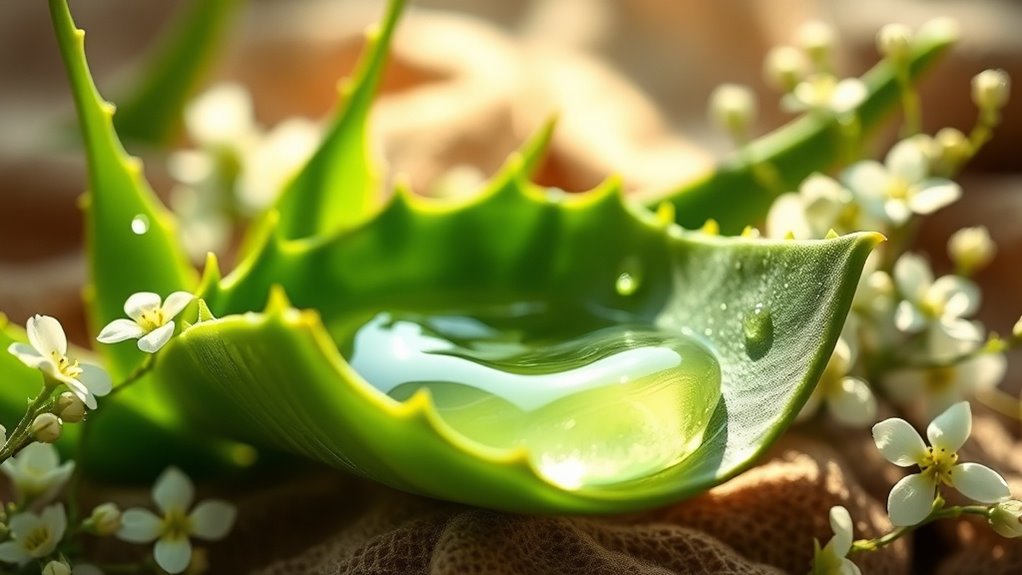
Start by slicing the leaf lengthwise to expose the inner gel.
Using a spoon, carefully scoop out the translucent gel while avoiding the yellow latex, which can irritate skin.
This pure gel can be applied directly to affected areas for immediate relief.
Storing Aloe for Use
Proper storage of aloe vera gel is crucial to maintain its therapeutic properties.
Follow these guidelines to ensure efficacy:
-
Refrigeration: Store the gel in an airtight container in the refrigerator to extend its shelf life.
-
Avoid contamination: Use clean utensils to prevent bacterial growth.
-
Limit exposure: Keep the container tightly closed to minimize air and light exposure.
These practices preserve its effectiveness for treating rashes.
Step-by-Step Application Process
To effectively harness the healing properties of aloe vera for rashes, you’ll want to follow a systematic application process.
First, cleanse the affected area with mild soap and pat dry.
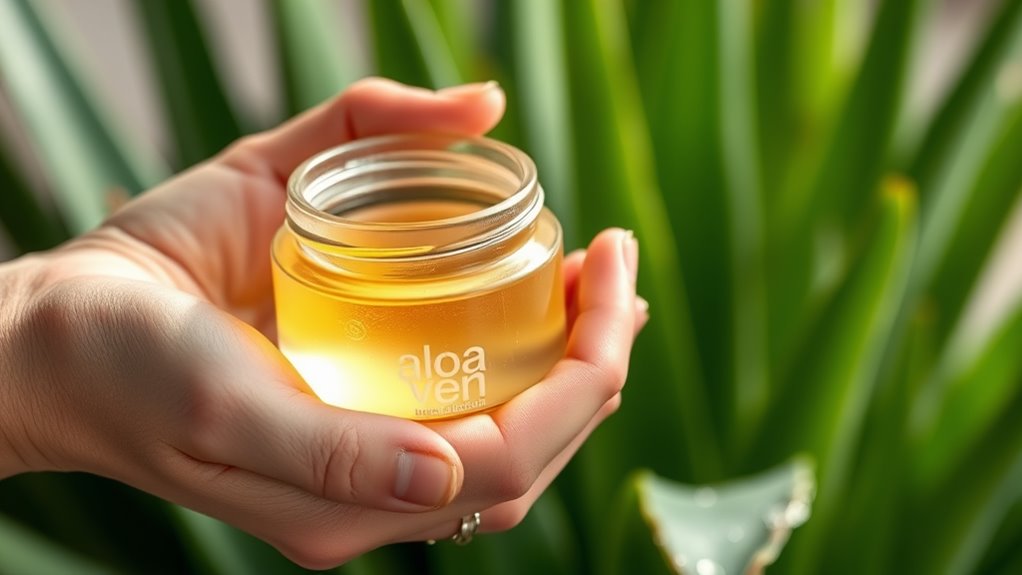
Next, extract fresh aloe vera gel from the leaf.
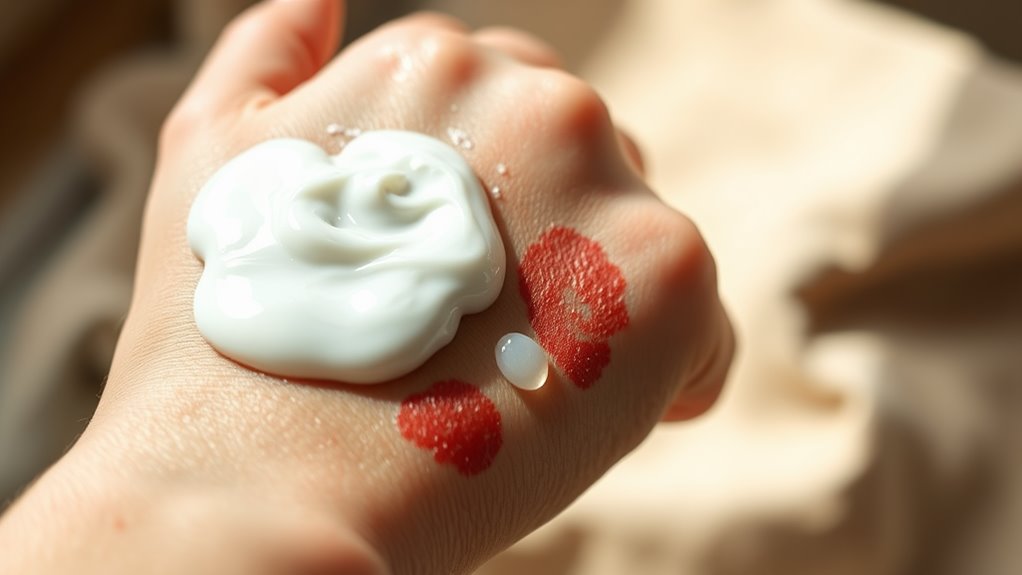
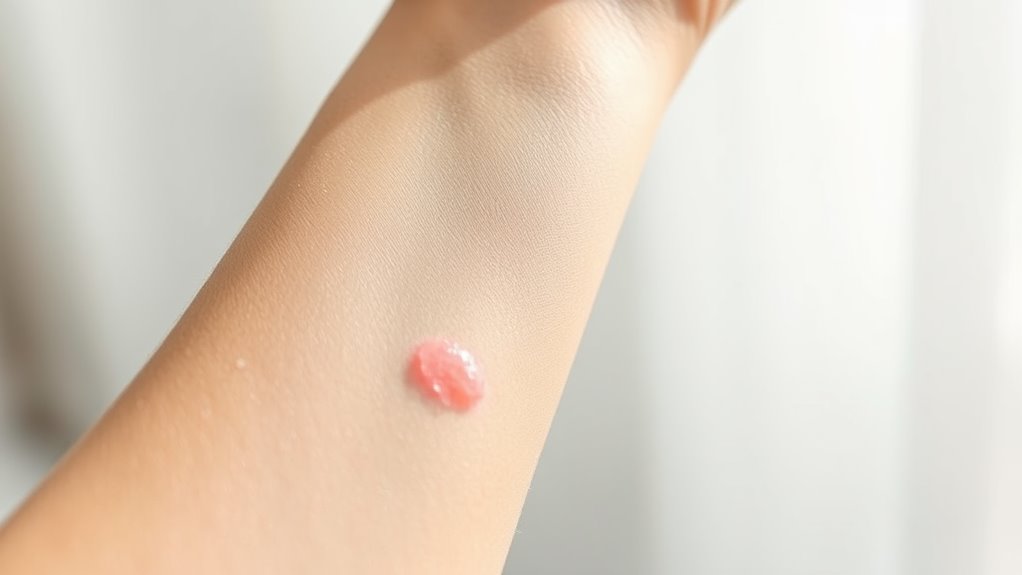
Apply a thin layer directly onto the rash and gently massage it in.
Allow the gel to absorb fully before covering with a clean bandage if necessary. Additionally, keeping the affected area clean and moisturized can enhance recovery and improve overall results.
Additional Tips for Rapid Relief
In addition to the application of aloe vera gel, several strategies can enhance relief from rashes.
-
Cold Compress: Apply a cold compress for 10–15 minutes to reduce inflammation and soothe irritation.
-
Hydrocortisone Cream: Use over-the-counter hydrocortisone cream to decrease itching and redness.
-
Avoid Irritants: Identify and eliminate potential irritants, such as harsh soaps or detergents, to prevent exacerbation.
-
Incorporating anti-inflammatory foods into your diet can also promote skin healing and reduce the likelihood of rashes.
Long-term Skin Care and Prevention Strategies
While managing individual rashes is important, establishing a long-term skin care routine can significantly reduce the risk of future flare-ups. Consider incorporating these strategies into your regimen:
| Strategy | Description |
|---|---|
| Moisturize Daily | Use a non-comedogenic moisturizer. |
| Patch Test New Products | Avoid allergic reactions. |
| Sun Protection | Apply broad-spectrum SPF daily. |
| Balanced Diet | Include anti-inflammatory foods. |
| Stress Management | Practice relaxation techniques. |
Additionally, regular use of natural ingredients in your skincare can enhance hydration and help to soothe sensitive areas.