Lower Body Temperature – Ice Bath Alternative That Cools Everything
To lower your body temperature effectively without the risks of ice baths, try natural alternatives like cool showers, Epsom salt baths, or menthol-based cooling gels. Staying hydrated is crucial, so opt for electrolyte-rich drinks and consume hydrating fruits and vegetables. Wearing lightweight, breathable clothing helps wick away heat, while effective breathing techniques can also enhance cooling. By adjusting your environment, you’ll optimize comfort and control your body temperature better. Learn how these methods can further improve your well-being.
Understanding Body Temperature Regulation
When you think about body temperature regulation, it’s fascinating how your body works to maintain a stable internal temperature despite external changes.
Your body employs natural body cooling techniques like sweating and increasing blood flow to the skin.
These mechanisms help dissipate heat effectively, ensuring you stay comfortable and function optimally, even when the environment gets warm.
Understanding this process can enhance your overall well-being.
Risks and Discomforts of Ice Baths
When you consider taking an ice bath, it’s crucial to be aware of the potential risks involved.
Hypothermia can occur if you’re exposed for too long, while skin irritation might arise from prolonged cold contact.
Additionally, the mental discomfort of extreme cold can be challenging, making it important to weigh these factors before jumping in.
Possible Hypothermia Risks
Although ice baths are often hailed for their potential benefits in recovery and inflammation reduction, they come with real risks, particularly the possibility of hypothermia.
Spending too much time in cold water can lower your core body temperature dangerously. Symptoms like shivering, confusion, and fatigue may arise, signaling your body’s struggle to maintain warmth.
Be cautious and monitor exposure duration to prevent these dangers.
Skin Irritation Concerns
Ice baths can also lead to skin irritation, a discomfort that’s often overlooked amidst the focus on recovery benefits.
Prolonged exposure to cold water may cause redness, itching, and even rashes, especially for those with sensitive skin.
It’s crucial to monitor your skin’s reaction during and after the bath. If irritation occurs, consider reducing immersion time or exploring alternative cooling methods.
Mental Discomfort Factors
Many people underestimate the mental discomfort that can accompany ice baths, as the intense cold isn’t just a physical shock; it can also heighten anxiety and stress levels.
You might feel an overwhelming urge to escape the cold, leading to panic or negatively impacting your mindset.
Understanding these mental factors can help you approach ice baths with the right mental preparation and coping strategies, enhancing your overall experience.
Natural Alternatives to Ice Baths
While traditional ice baths are popular for recovery, there are several natural alternatives that can effectively lower your body temperature and aid in muscle recovery.
Consider trying:
- Cold showers for quick cooling
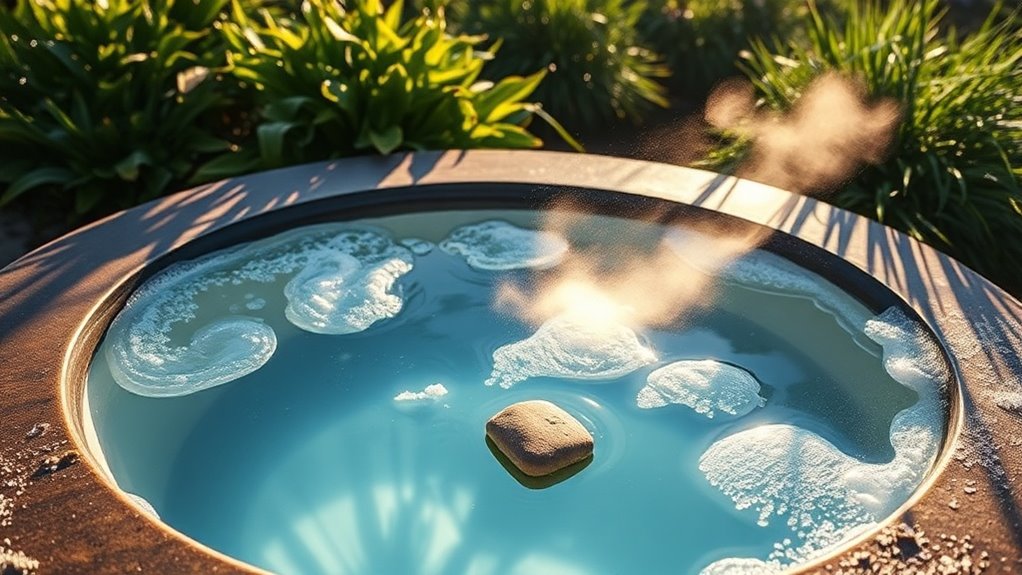
- Epsom salt baths to soothe muscles
- Aloe vera for skin cooling
- Cooling gels with menthol
- Compression garments to enhance circulation
These methods promote recovery without the discomfort of ice baths. Additionally, incorporating herbal steam can enhance recovery through its soothing properties that reduce inflammation and promote relaxation.
The Role of Hydration in Body Cooling
Staying hydrated is crucial for regulating your body temperature, especially when you’re active.
Proper water intake not only aids in cooling but can also enhance your athletic performance by preventing overheating. Including hydrating foods like fruits and vegetables in your diet can further support your hydration efforts and keep you performing at your best.
Let’s explore effective hydration strategies that can keep you cool and performing at your best.
Importance of Water Intake
When temperatures rise, your body relies heavily on proper hydration to maintain its core temperature and ensure efficient cooling.
Staying hydrated helps you avoid overheating and supports optimal physical performance. Here are key reasons to prioritize water intake:
- Aids temperature regulation
- Prevents dehydration
- Enhances physical performance
- Supports overall health
- Improves recovery time
Make hydration a priority to keep your body cool and functioning at its best!
Hydration Strategies for Cooling
Hydration plays a pivotal role in cooling your body, especially during hot weather or intense physical activities.
Drinking water regularly helps maintain optimal body temperature by promoting sweat production, which cools your skin.
Electrolyte-rich beverages can further enhance hydration.
Always listen to your body’s signals; thirst typically indicates that you need more fluids to stay cool and energized.
Effects on Athletic Performance
While engaging in intense exercise, maintaining proper hydration significantly impacts your athletic performance and overall body cooling.
Staying hydrated helps regulate your body temperature, which can enhance endurance and reduce fatigue.
Here are key benefits of hydration for athletes:
- Improves performance and stamina
- Promotes effective thermoregulation
- Reduces risk of cramps
- Enhances recovery time
- Boosts overall energy levels
Clothing Choices for Lower Body Temperature
Choosing the right clothing can significantly impact your body temperature during recovery sessions.
Opt for lightweight, breathable fabrics like cotton or moisture-wicking synthetic materials that allow air circulation. Avoid heavy, insulated clothing, as it can trap heat.
Loose-fitting attire enables better ventilation, helping you feel cooler.
Effective Breathing Techniques for Coolness
To cool down your body effectively, mastering specific breathing techniques can be a game changer.
Try these methods:
-
Diaphragmatic Breathing: Engage your diaphragm for deeper breaths.
-
Box Breathing: Inhale for four seconds, hold for four, exhale for four, and pause for four.
-
Nasal Breathing: Breathe through your nose to enhance filtration.
-
Cooling Breath: Inhale deeply, exhale slowly, visualizing cool air.
-
Coherent Breathing: Match your breathing to a calming rhythm.
The Benefits of Controlled Environment Adjustments
Adjusting your controlled environment can significantly benefit your overall comfort and health, especially when you’re looking to lower your body temperature.
Utilizing fans, air conditioning, or even strategic window shades can keep your space cooler.
Research shows that a cooler environment improves sleep and enhances cognitive function. This is similar to how mindful breathing can promote emotional resilience and better focus.
You’ll feel more energized and focused, making it easier to handle daily challenges with ease.